
The most promising D2C opportunity isn’t necessarily the product everybody wants. It’s the product you can sell profitably, deliver reliably and scale across India’s diverse markets.
India’s e-commerce opportunity has created an interesting paradox.
It has never been easier to launch a brand online. Yet building a profitable D2C business remains challenging.
A product may generate thousands of orders and still lose money because of advertising costs, marketplace commissions, returns, damaged inventory or expensive last-mile deliveries.
For first-time founders, the question isn’t simply:
Which products are trending in India?
It’s:
Which product categories offer the strongest combination of customer demand, differentiation, healthy margins and scalable distribution?
Here are ten categories worth investigating—and a practical way to evaluate them before committing capital.
Ten D2C product categories worth investigating
The categories below are research candidates, not a verified ranking of the ten fastest-growing categories. Competition and logistics assessments are directional and depend on the specific product.

1. Beauty, skincare and personal care
Strong potential for repeat purchases, premium positioning and product differentiation. However, customer acquisition can be expensive, and efficacy claims require substantiation.
Investigate: specialised skincare, haircare and everyday grooming.
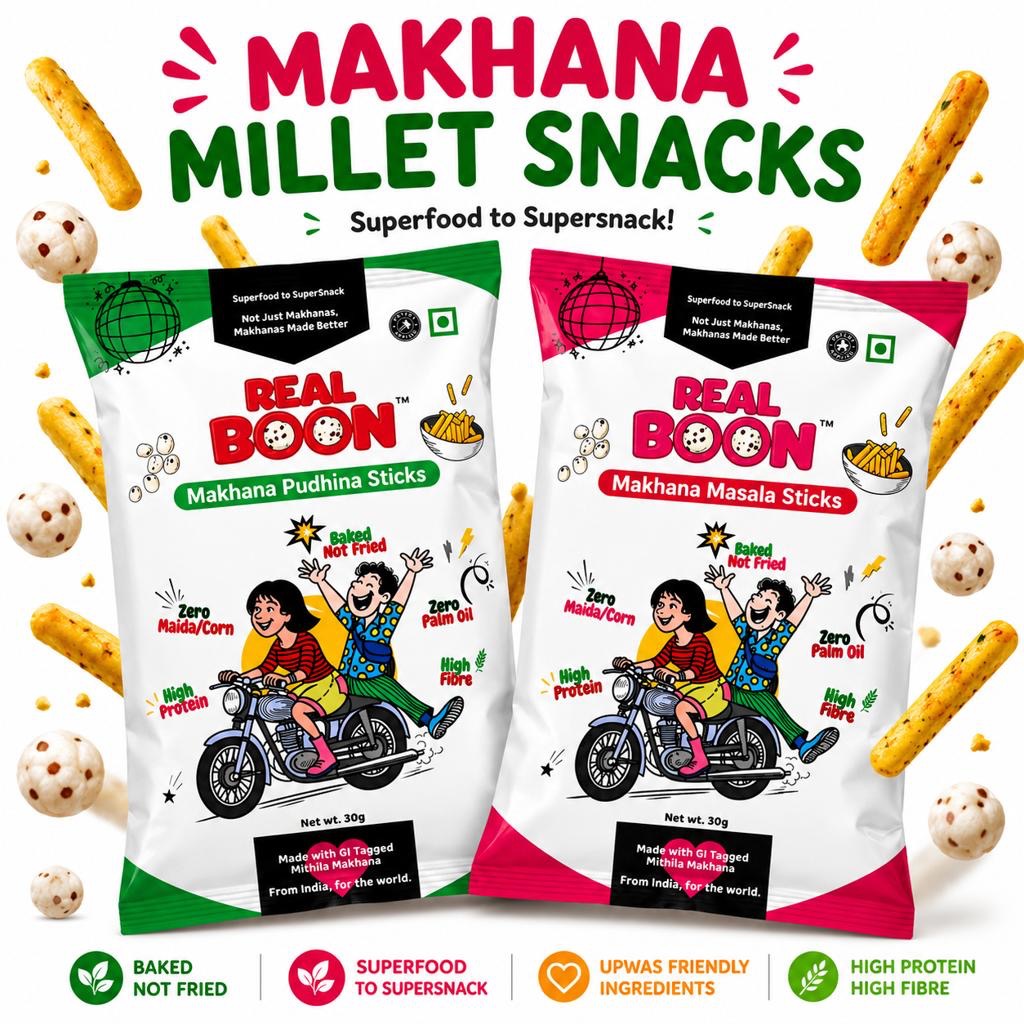
2. Healthy snacks and functional foods
Frequent consumption supports repeat purchases, but expiry dates, food safety, packaging and price sensitivity require careful management.
Investigate: millet snacks, roasted snacks and portion-controlled foods.
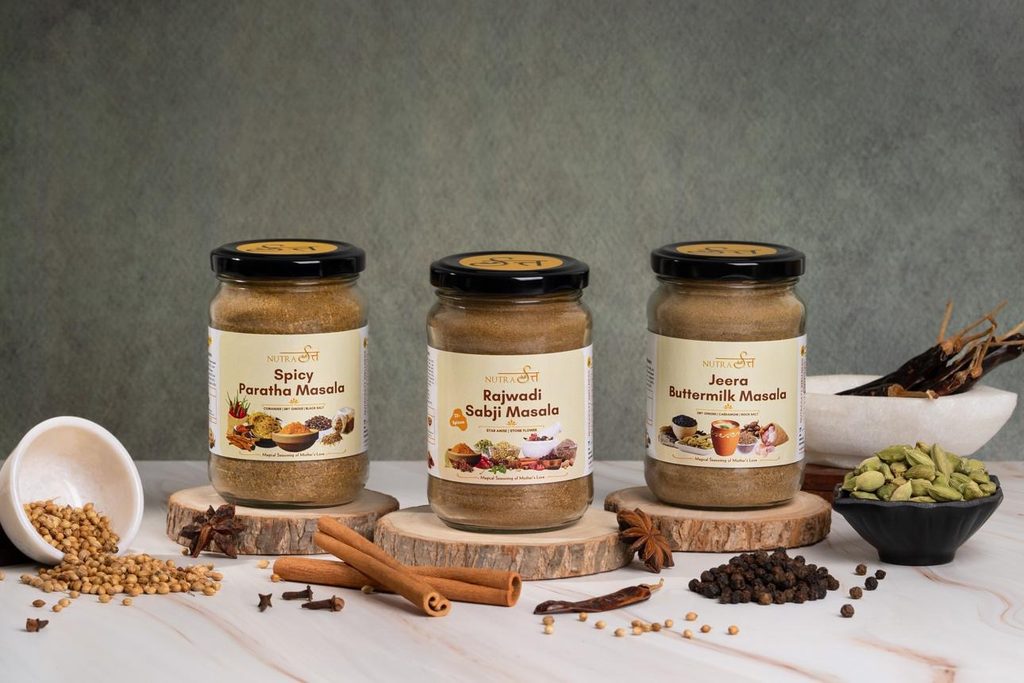
3. Regional foods, spices and condiments
Regional taste preferences offer meaningful differentiation. The opportunity is to turn local product strength into a wider distribution advantage.
Investigate: regional spice blends, chutneys and cooking pastes.
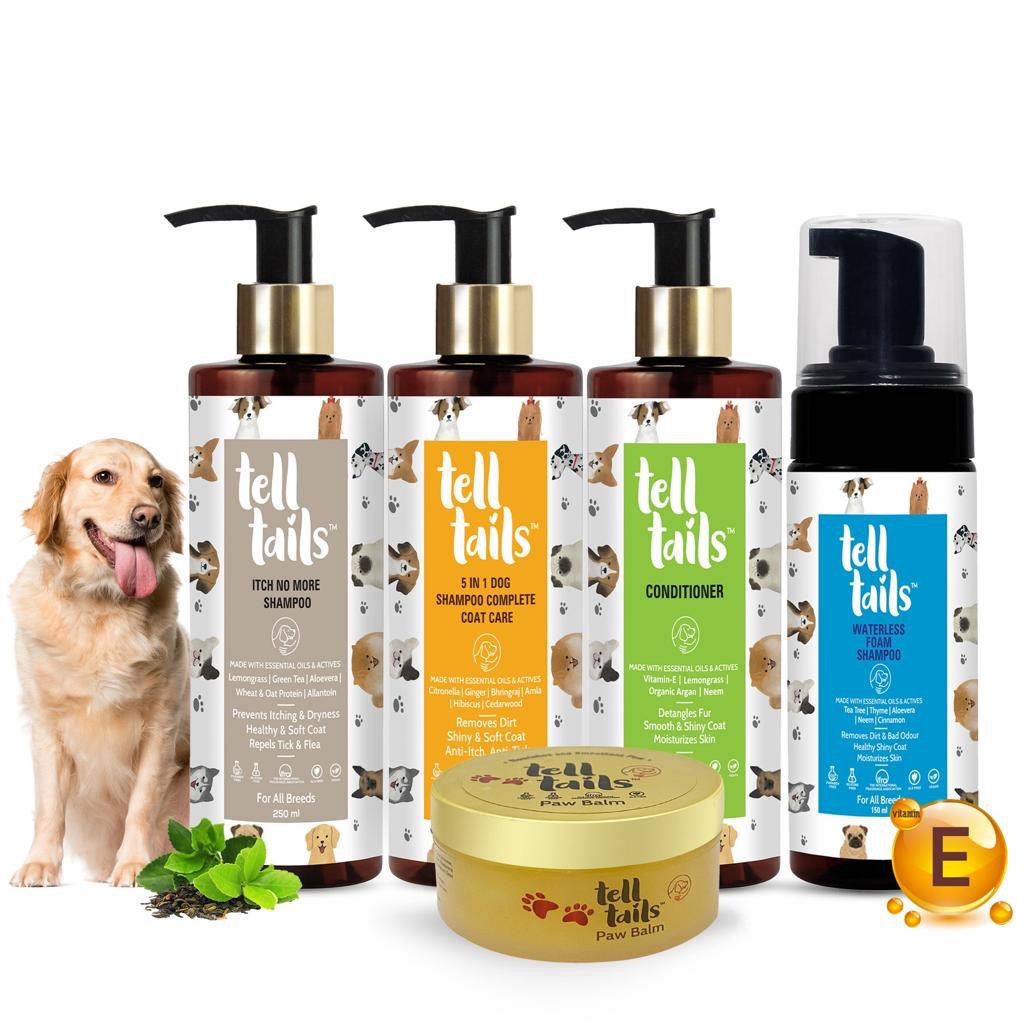
4. Pet care and pet accessories
Potential for recurring consumption and focused communities. Trust, safety and segment-specific product performance matter.
Investigate: grooming products, treats and practical accessories.
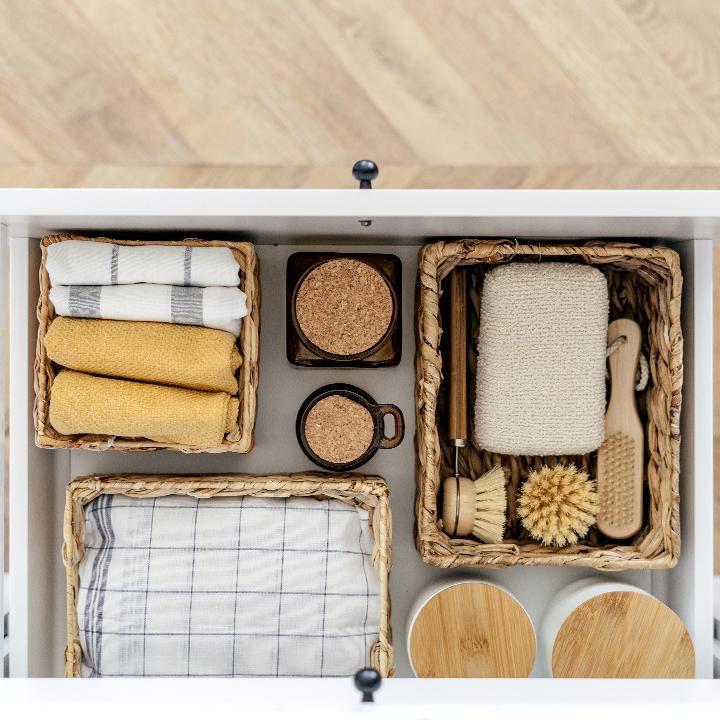
5. Home organisation and utility products
Functional benefits are easy to demonstrate through video. Competition can be intense, and bulky products can erode delivery economics.
Investigate: compact storage solutions and kitchen organisers.
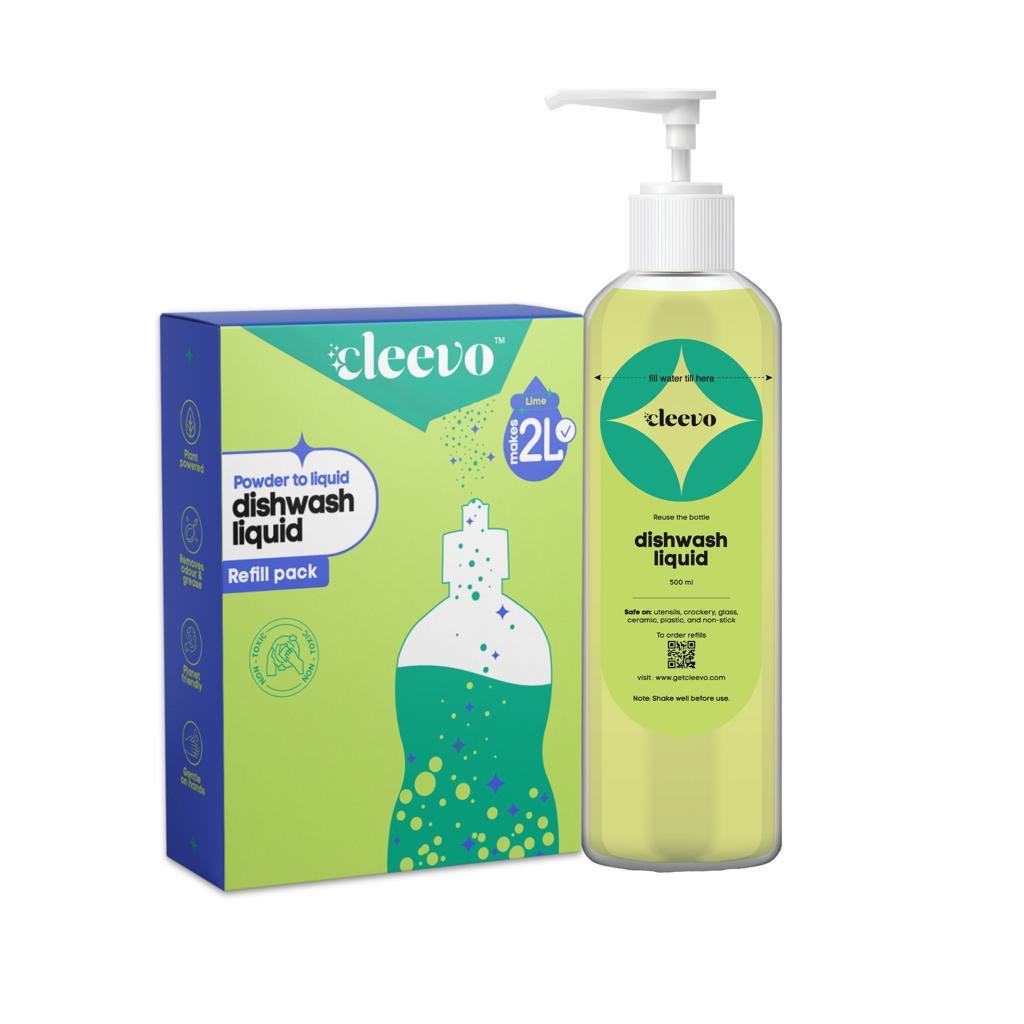
6. Household cleaning and consumables
Routine replenishment supports repeat purchases, while heavy liquids, leakage and low order values can make logistics difficult.
Investigate: concentrated cleaners, refill formats and specialised cleaning products.
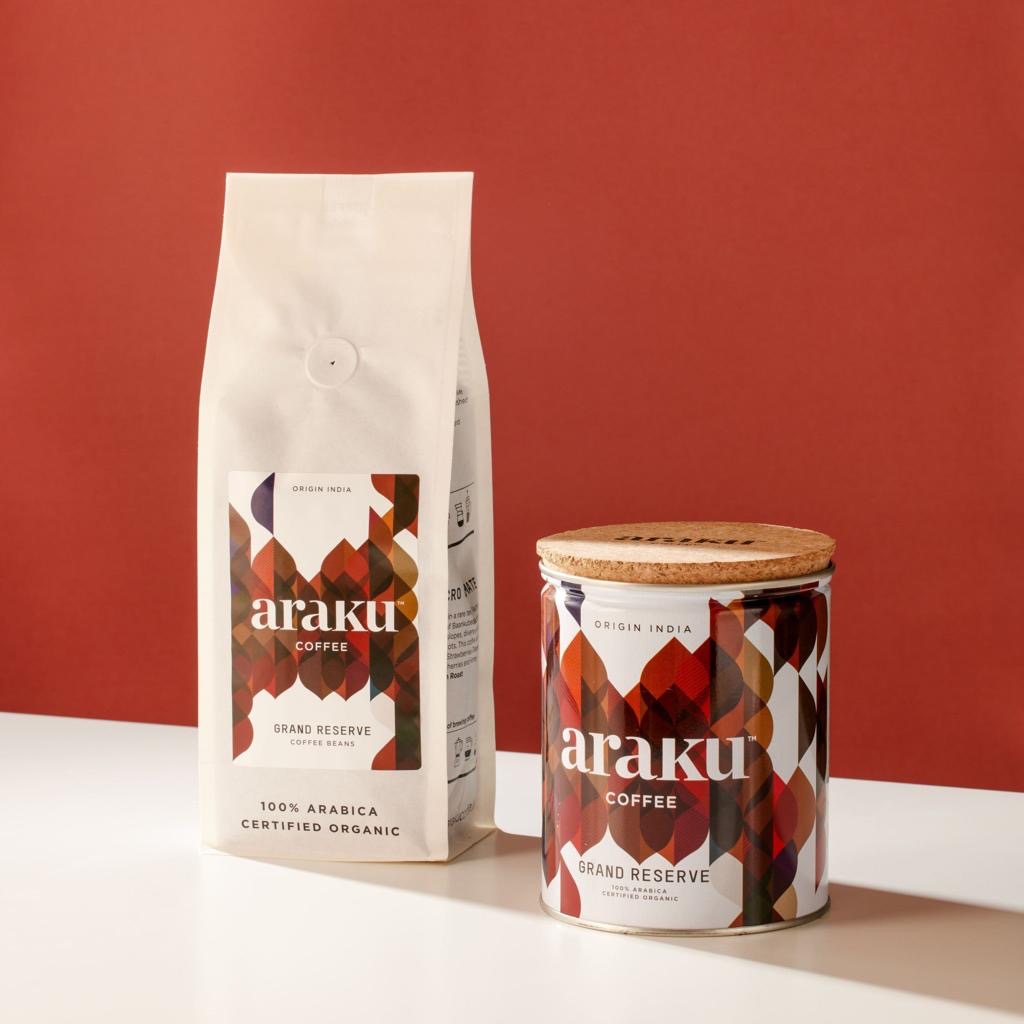
7. Specialty tea, coffee and beverages
Origin, flavour and ritual-based positioning can support brand loyalty. Freshness, packaging and consistent quality are critical.
Investigate: regional teas, specialty coffee and brewing formats.

8. Baby care and parenting essentials
Repeat-use products and strong trust relationships are attractive, but product safety and credibility create substantial entry barriers.
Investigate: baby grooming, care accessories and everyday essentials.
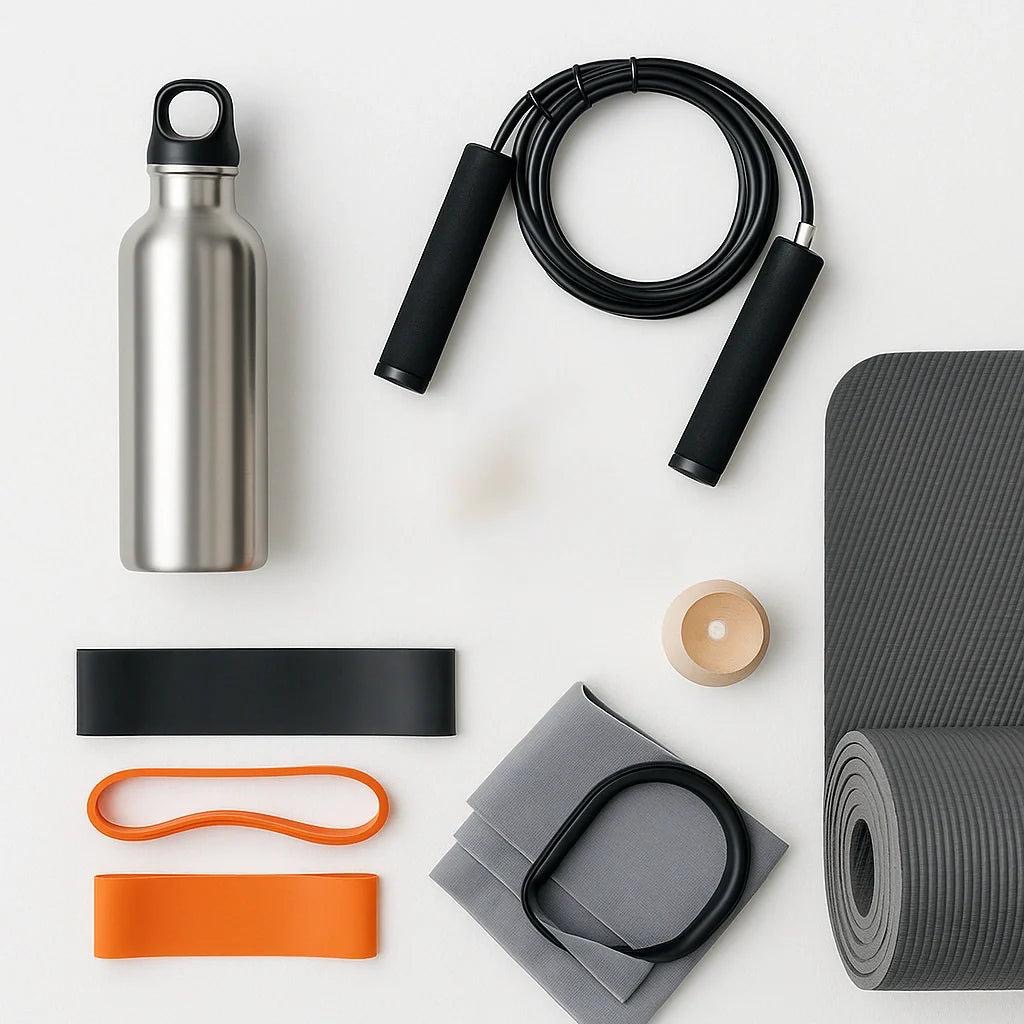
9. Fitness and wellness accessories
Demonstration-led marketing can build awareness efficiently. Generic products face price competition and limited repeat purchases.
Investigate: resistance bands, yoga accessories and recovery tools.

10. Stationery, gifting and desk essentials
Personalisation and B2B gifting create differentiation opportunities, although seasonality and order fragmentation need attention.
Investigate: premium notebooks, corporate gifting and desk organisers.
Compare categories before choosing your first product
The following matrix offers a starting hypothesis for product research—not measured market rankings.
| Product category | Demand potential | Competition | Logistics complexity | Entry barriers |
| Beauty and personal care | High | High | Medium | High |
| Healthy snacks | High | High | Medium | Medium–High |
| Regional foods and spices | Medium–High | Medium–High | Medium | Medium |
| Pet care | Medium–High | Medium | Medium | Medium |
| Home organisation | High | High | Medium–High | Low–Medium |
| Household cleaning | High | High | High for liquids | Medium |
| Specialty tea and coffee | Medium–High | High | Medium | Medium |
| Baby care | High | High | Medium | High |
| Fitness accessories | Medium–High | High | Low–Medium | Low–Medium |
| Stationery and gifting | Medium | High | Low–Medium | Low–Medium |
Demand potential reflects broad consumer use cases, not category-specific growth forecasts. A specialised product may have very different economics from its parent category.
3. The six-factor product selection framework
Before launching a D2C brand in India, score each candidate from 1 to 5 across six dimensions.
Interactive D2C Product Opportunity Scorecard
Adjust the scores for your product idea. Higher scores indicate more favourable characteristics. This is a screening tool, not a sales forecast.
WEIGHTED OPPORTUNITY SCORE
60 / 100
Investigate further
Evidence of customer demand
3/5 · 25% weight
Search intent, marketplace reviews and buying signals
Contribution margin potential
3/5 · 25% weight
Profit after variable selling and delivery costs
Competitive differentiation
3/5 · 15% weight
Clear reasons to choose your brand
Repeat purchase potential
3/5 · 15% weight
Likelihood of profitable reorders
Fulfilment feasibility
3/5 · 10% weight
Storage, shipping and return economics
Omnichannel expansion
3/5 · 10% weight
D2C, marketplace, quick commerce and B2B fit
Reset scores Copy results
A score of 80 or more suggests a candidate worth deeper validation. It does not establish product-market fit. Demand evidence, compliance checks and actual order-level economics remain essential.
Why your product’s pincode economics matter
Two customers can buy the same ₹699 product, yet generate dramatically different profits.
One lives near your fulfilment location. Another lives hundreds of kilometres away.
Delivery costs, transit time, return-to-origin risk and inventory availability can all change.
This creates an overlooked product-selection question:
Can this product be distributed profitably across the pincodes where demand exists?
Consider a distributed fulfilment model using existing distributor warehouses. By positioning inventory closer to relevant demand clusters, brands can potentially reduce shipping distances, improve delivery turnaround times and increase availability for marketplace orders.
On platforms where fulfilment performance and seller eligibility affect offer selection, better local inventory availability may also improve Buy Box competitiveness. It does not guarantee a Buy Box win.
For heavier, fragile or low-ticket products, this distribution decision can determine whether the category is commercially attractive.
Calculate contribution margin before celebrating revenue
Consider a hypothetical ₹699 product.
| Per-order economics | Amount |
| Net realised selling revenue | ₹699 |
| Product and packaging cost | −₹230 |
| Marketplace and payment costs | −₹105 |
| Advertising cost per order | −₹120 |
| Fulfilment and delivery | −₹85 |
| Returns and damage provision | −₹25 |
| Contribution per order | ₹134 |
Illustrative numbers only. Assume revenue excludes tax collected on behalf of government; actual GST treatment, fees and channel costs must be modelled separately.
The contribution margin is approximately 19.2%, before fixed operating expenses.
Now imagine a distributed fulfilment strategy reduces average delivery expense by ₹20, with all other costs unchanged.
Contribution increases to ₹154—approximately 22.0%.
That is a 14.9% improvement in contribution rupees, without increasing the selling price.
The lesson: improving fulfilment economics can sometimes be more valuable than increasing advertising spend.
Choose a product with multiple routes to market
A product that works only through expensive paid advertising is vulnerable.
Evaluate whether the same product can grow through several channels:
- D2C website: Brand storytelling, customer relationships, bundles and retention.
- Marketplaces: High-intent discovery, listing optimisation, search advertising and pincode-level availability.
- Quick commerce: Fast-moving, replenishable products where demand density and inventory turns justify the channel.
- B2B distribution: Retailers, institutions, corporate buyers and specialised trade networks.
- International marketplaces: Select export-ready products with adequate margin after cross-border fulfilment, duties and compliance.
Not every product belongs on every channel.
For example, a ₹149 heavy cleaning liquid might struggle with national parcel delivery but become more viable through regional inventory placement, multipacks or suitable quick-commerce fulfilment.
A premium regional spice blend may find stronger initial demand in selected cities before expanding nationally.
Start with channel-product fit, not channel presence.
Can a reseller model reduce the cost of market entry?
Many traditional manufacturers have product expertise but lack the people, software, marketplace operations and supply-chain infrastructure required to sell online.
A reseller-led model can provide an alternative.
Under a Success over Revenue (SOR) commercial structure, an operating partner purchases or resells products and receives an agreed share of realised revenue or commercial success, rather than requiring the brand to build every operational capability internally.
Depending on the agreement, this can support marketplace selling, distributor-led fulfilment and quick-commerce onboarding, including inventory coordination and appointment-based deliveries.
However, founders must verify the commercial terms carefully: inventory ownership, payment cycles, return liabilities, pricing control, advertising budgets and the definition of eligible revenue.
A revenue-linked model reduces certain entry barriers; it does not eliminate commercial risk.
A 30-day validation plan before committing to a category
Days 1–7: Validate demand
Study marketplace search results, review patterns, customer complaints, Google Trends and competitor pricing. Identify unmet needs rather than copying bestselling products.
Days 8–14: Model unit economics
Estimate product cost, taxes, platform fees, advertising, shipping, returns and working capital. Calculate break-even acquisition cost.
Days 15–21: Validate geographic fulfilment
Select target pincode clusters. Compare centralised shipping against regional distributor-warehouse options and estimate delivery turnaround times.
Days 22–30: Test real customer response
Launch a small, compliant pilot with limited SKUs. Measure conversion, contribution per order, returns and early customer feedback.
Frequently asked questions
Which D2C product category is most profitable in India?
No category is universally most profitable. Beauty, specialty consumables and premium accessories can offer attractive margins, but profitability depends on sourcing, acquisition costs, returns, pricing and fulfilment.
Can I start a D2C brand in India with ₹1 lakh?
A limited test may be possible with a small product range, outsourced operations and carefully controlled advertising. A full launch involving inventory, compliance, branding and multi-channel distribution may require substantially more capital.
Should I launch on Amazon, Flipkart or my own website first?
Choose based on customer discovery behaviour and acquisition economics. Marketplaces can provide access to existing demand; an owned website offers greater control over customer relationships. Many brands test one channel before expanding.
Which products are suitable for quick commerce?
Products with frequent consumption, predictable demand, suitable pack sizes and strong inventory turnover are generally better candidates. Unit economics and platform-specific onboarding requirements must be assessed.
How do I reduce delivery costs for a new D2C brand?
Compare packaging, shipment weights, order bundling, courier allocation and inventory placement. Regional distributor warehouses may reduce delivery distance when demand density supports decentralisation.
What if I have a good product but no e-commerce team?
Evaluate outsourced marketplace operations, fulfilment partners and reseller-led commercial models. Compare total economics, operational responsibilities and data visibility before selecting a structure.
How can I identify which Indian cities or pincodes to target first?
Combine search demand, historical offline sales, marketplace order signals, demographic fit, competitive availability and estimated delivery costs. Test selected clusters before expanding.
Can a traditional Indian brand sell overseas through D2C?
Yes, subject to product eligibility, destination-market regulations, duties, payment arrangements, returns and shipping economics. Validate one target market before committing to international inventory.
Conclusion: Don’t select a category. Select an economic opportunity.
The best first D2C product isn’t necessarily the most fashionable or fastest-selling.
It is a product with identifiable demand, meaningful differentiation, sustainable contribution margins and a distribution model that can grow without destroying profitability.
A product that generates fewer orders but delivers healthy contribution across the right pincodes may create a stronger business than a trending product dependent on expensive advertising and inefficient national shipping.
Before asking whether India wants your product, ask whether you can profitably deliver it to the Indians who want it.