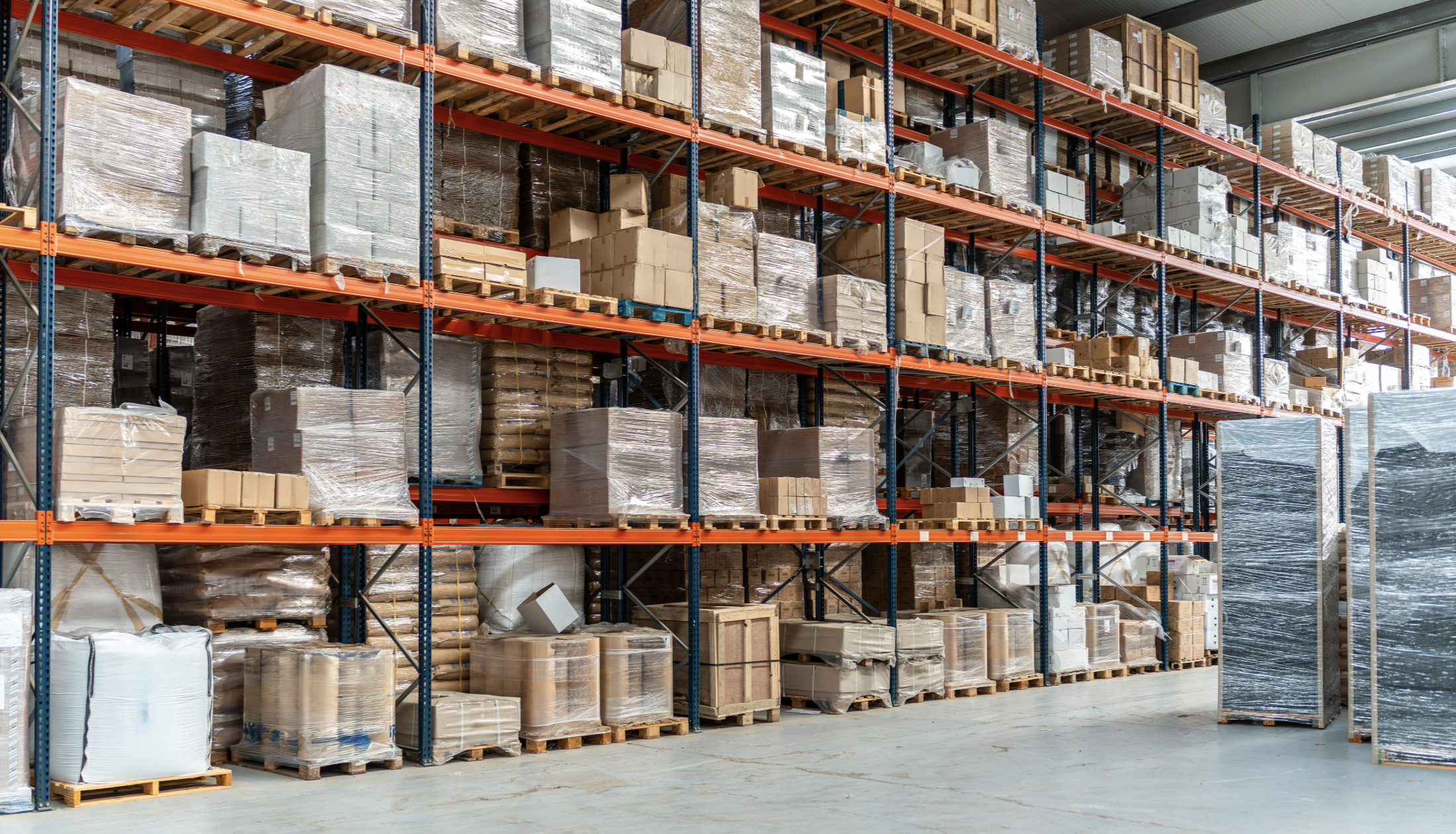
A retail chain can fill a store on Monday and still miss an online order the same afternoon if the two channels do not share one stock record. Retail warehousing is the system that stores a retailer’s goods and releases them to stores, marketplaces, websites, and quick-commerce dark stores. It is inventory control and distribution in the same building, not a shed that only holds cartons.
This guide shows how modern retailers receive stock, decide what sits where, and push the right quantity to each channel.
What retail warehousing does
A store is a selling point. A retail warehouse is the stock point behind it. The warehouse receives goods from a plant, an importer, or a brand, checks them, and holds them until a store, a distributor, or a customer order needs them.
Modern retailers rarely use the warehouse for one job. The same SKU may replenish a high-street store, fill an Amazon or Flipkart order, and restock a Blinkit, Swiggy Instamart, or Zepto dark store. Therefore, retail warehousing has to answer two questions every day: how much is truly available, and which node should ship it.
Goldfishh runs that operation for brand owners and retailers through shared or dedicated warehouses, e-commerce fulfillment, and transport. The retailer keeps pricing and the customer. The 3PL runs the floor.
How retailers manage inventory
Inventory fails in retail when each channel keeps its own pile. The store looks full, the website shows “in stock,” and the warehouse is already short. Use one available quantity, then apply a few simple rules.
Receive against the purchase order
Inbound starts with a match. The team unloads, counts cartons, and checks the SKU, batch, and visible damage against the order. Short receipts and damaged units go on a hold location. As a result, the system does not offer stock the retailer cannot sell.
Put stock in a location the picker can find
Next, put-away gives every unit a bin. Fast movers sit near the dispatch face. Slow movers and seasonal ranges sit in denser storage. Apparel, footwear, and beauty need size and shade control, so the location record must carry variant, not only the parent style. In addition, scan the put-away. A carton without a scan is invisible to the store and the website.
Promise only available units
Available stock equals on-hand units minus open store orders, online orders, quality holds, and display stock the store must keep. However, many retailers still publish yesterday’s file to every channel. Two channels then sell the last unit. Cancellations follow, and marketplace scores drop.
Replenish before the shelf or the listing goes empty
The warehouse should push store stock on a schedule, not only when a manager calls. Set a minimum for each store and each fast online SKU. When the balance crosses that line, raise a replenishment order. Safety stock covers the lanes that cannot stock out. Everything else stays lean, because unsold retail inventory ties up cash and dock space.
Count what matters
Cycle-count the fast movers every week. Count the rest on a rotation. Peak weeks, returns, and new ranges break accuracy fastest. A short count on those SKUs prevents a larger stocktake surprise.
How distribution leaves the retail warehouse
Distribution is the second half of retail warehousing. The same inventory feeds several kinds of orders. The pack and the vehicle change. The stock record does not.
| Order type | What leaves the warehouse | Typical move |
| Store replenishment | Cases or pre-packed store orders | Scheduled vehicle to the store |
| Modern trade | Appointment loads with labels and ASN | Timed delivery to the retailer’s DC or store |
| Marketplace and website | Piece picks in channel packaging | Parcel carrier |
| Quick commerce | Cases to a dark store | Fixed daily or multi-drop run |
| Returns | Inspected units back to stock or quarantine | Inbound from store, courier, or customer |
E-commerce order fulfillment covers the piece-pick and marketplace side. Store and dark-store runs need the same inventory truth, or the shelf and the app sell the same unit twice. Transport management then matches the vehicle to the order. Full truckload replenishes a regional hub. Smaller vehicles feed city stores. Parcel carriers close home delivery. Finally, proof of delivery updates the order, so the commercial team does not chase the warehouse for a status the driver already captured.
Where the stock should sit
One national shed can feed distributors. It struggles to refill city stores and same-day online orders at the same time. Modern retailers therefore split the network.
- A regional hub holds bulk, slow movers, and inbound from the plant or port.
- A city node holds the fast range for store replenishment and online orders.
- A dark store or a store back room holds only the units that must leave within hours.
Supply chain network design places those nodes from store lists, online pin codes, and freight cost. Because of this, the retailer adds a city only when demand supports it, not because a lease looks cheap.
What breaks retail warehousing
These failures show up first when a retailer adds a channel or a festive range.
Split stock
Teams park “store stock” in one aisle and “online stock” in another. Demand does not follow the labels. One channel stockouts while the other holds weeks of cover.
Store orders that ignore the cutoff
A pick wave that finishes after the store vehicle has left is a missed delivery, even if the cartons are ready. Consequently, the store shelf stays empty and the warehouse pays for a second trip.
Returns that sit in a corner
Fashion and footwear returns are part of the volume, not an exception. If they wait ten days for a quality check, available stock looks lower than it is. The buyer then reorders, and saleable units stay blocked.
A fixed shed for a moving calendar
Festive ranges, end-of-season sales, and marketplace events double the lines for a few weeks. A fixed lease and a fixed team either sit idle in quiet months or collapse in peak months. Pay-per-use warehousing lets the retailer add pallet positions and pick labour for the surge, then release them.
No single owner for the number
Store operations, the marketplace team, and the warehouse each keep a sheet. Meanwhile, nobody owns the available quantity. Retail warehousing works only when one system is the source, and every channel reads it.
Practices that keep stores and online orders in stock
- Publish one available quantity to stores, the website, and marketplaces. Reserve display stock only where a store must not stock out.
- Scan inbound, put-away, picks, and returns. Do not retype quantities between the store system and the warehouse.
- Slot by velocity. Keep store-facing fast movers and online fast movers easy to pick. Review the slotting when a range changes.
- Separate the pack standards. Store cases, modern-trade labels, and home-delivery cartons need written rules. One undocumented bench will mix them.
- Schedule replenishment. Push store stock on a calendar. Do not wait for an empty shelf call.
- Put returns on a clock. Inspect within a set number of hours. Restock good units the same day.
- Flex the building. Use shared space while the range and the season move. Move to a dedicated bay when one banner fills a shift. 3PL warehouse services supply the people, the WMS discipline, and the dock process.
- Align listings with stock. A warehouse cannot sell a unit the listing has hidden, and a listing cannot promise a unit the warehouse does not hold. EMBRACE keeps marketplace and quick-commerce listings beside the fulfillment operation.
Where Goldfishh fits
Goldfishh serves retailers and brand owners that sell through stores and online channels and do not want to build a warehouse company. WAREOSPACE supplies ready warehouse capacity, shared or dedicated, with operations and inventory control. Fulfillment teams piece-pick online orders and build store and dark-store loads from the same stock. ROADEE moves those loads between hubs, stores, and cities.
You can start with shared pallet positions in the cities where stores and orders already cluster. You can add a dedicated facility when one banner’s volume fills a shift. Either way, retail warehousing stays one process: receive, locate, promise only what is available, replenish the store, and ship the online order.
Frequently asked questions
What is retail warehousing?
Retail warehousing is the storage and release of a retailer’s inventory to stores, distributors, websites, marketplaces, and quick-commerce dark stores. The warehouse holds the stock and fulfills each channel from one available quantity.
How is a retail warehouse different from a retail store?
A store sells to the customer and keeps a small selling stock. A retail warehouse holds the bulk, replenishes stores, and often ships online orders. The store is the counter. The warehouse is the stock point behind it.
How should retailers split inventory between stores and online orders?
Use one stock pool. Reserve a small safety quantity for stores that must not stock out, and let every other unit serve the channel that orders it first. Separate aisles for “store” and “online” create shortages and leftovers.
Can a 3PL manage retail warehousing in India?
Yes. A 3PL can receive bulk stock, store it in shared or dedicated space, build store replenishment and modern-trade loads, piece-pick marketplace orders, and dispatch dark-store runs. The retailer keeps range, pricing, and the customer relationship.
Receive every unit into one record, replenish stores before the shelf empties, and ship online orders from the same available quantity. Talk to the Goldfishh team about your store list, online channels, and the cities where that stock should sit.